Plumbing emergencies can occur at any time and often require immediate attention to prevent serious damage to a home or property. Issues such as burst pipes, overflowing toilets, clogged drains, and leaking water heaters can quickly escalate if they are not addressed promptly. For homeowners in areas like Granada Hills, understanding how to respond to plumbing emergencies is essential for protecting both property and household safety.
While some plumbing problems may appear minor at first, they can lead to expensive repairs and structural damage if ignored. Quick action can often reduce the severity of the issue until professional help arrives. Knowing when to call a professional plumber and how to manage the situation temporarily can make a significant difference.
By learning the common causes of plumbing emergencies and the steps to handle them effectively, homeowners can minimize risks and ensure their plumbing systems remain reliable and efficient.
Common Causes of Plumbing Emergencies
Plumbing emergencies often occur unexpectedly, but many are caused by issues that develop gradually over time. One of the most common causes is aging or damaged pipes. Over time, pipes can weaken due to corrosion, pressure changes, or environmental conditions, eventually leading to leaks or bursts.
Clogged drains are another frequent source of plumbing emergencies. When grease, hair, soap residue, or debris accumulates in pipes, it can restrict water flow and cause backups. If left untreated, these blockages may result in overflowing sinks or toilets.
Water heater failures can also create urgent plumbing situations. A malfunctioning water heater may leak, stop producing hot water, or develop pressure issues that require immediate attention.
Understanding these problems helps homeowners recognize when to contact emergency plumbing repair services before the issue becomes more severe.
Immediate Steps to Take During a Plumbing Emergency
When a plumbing emergency occurs, acting quickly can help minimize damage to the home. The first step is often shutting off the water supply to prevent additional flooding or leaks. Most homes have a main water valve that controls the entire plumbing system.
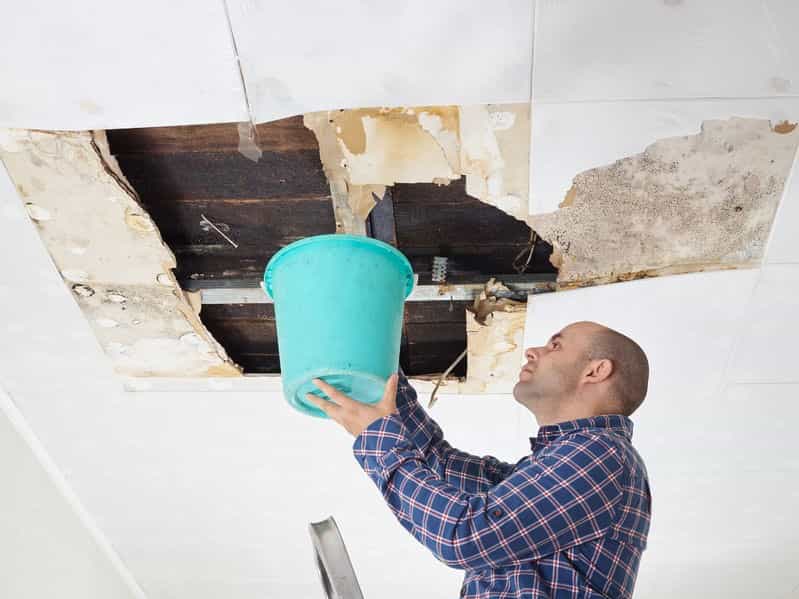
After turning off the water supply, homeowners should try to identify the source of the problem. For example, if a pipe is leaking, placing a container beneath the leak can help control water flow until repairs can be made.
Removing excess water from floors and surfaces is also important to prevent water damage or mold growth. Towels, mops, or wet vacuums can help absorb standing water.
While these temporary measures may reduce damage, contacting a professional plumber is often necessary to fully resolve the issue.
The Importance of Professional Plumbing Assistance
Although some minor plumbing issues can be handled by homeowners, most emergencies require professional expertise. Licensed plumbers have the tools and training needed to diagnose problems accurately and perform safe repairs.
Professional plumbers can inspect pipes, identify hidden leaks, and replace damaged components that may not be visible during initial inspections. They also ensure that repairs meet local plumbing codes and safety standards.
Attempting complex repairs without proper knowledge may worsen the problem or create additional damage. Professional assistance provides peace of mind that the plumbing system will function correctly after repairs.
Timely professional service can also prevent future issues by addressing underlying causes rather than temporary symptoms.
Preventing Future Plumbing Emergencies
Preventive maintenance plays a key role in avoiding plumbing emergencies. Regular inspections allow homeowners to identify potential issues before they develop into serious problems.
Checking pipes for leaks, monitoring water pressure, and cleaning drains periodically can help maintain a healthy plumbing system. Water heaters should also be inspected and maintained to ensure they operate efficiently.
Homeowners may also benefit from installing leak detection devices or pressure regulators that monitor plumbing systems automatically.
Routine maintenance helps reduce the likelihood of unexpected plumbing failures.
Protecting Your Home from Water Damage
Plumbing emergencies can cause significant water damage if they are not addressed quickly. Water can damage flooring, walls, furniture, and electrical systems, leading to costly repairs.
Homeowners should respond promptly to leaks or flooding by removing standing water and drying affected areas as soon as possible. Proper ventilation can help speed up the drying process and reduce the risk of mold growth.
Maintaining a plumbing system properly contributes to maintaining a safe and functional home, ensuring that water systems operate efficiently without causing unnecessary damage.
Preparedness and preventive care can significantly reduce the impact of plumbing emergencies.
Conclusion
Plumbing emergencies can be stressful and disruptive, but knowing how to respond effectively can help homeowners reduce damage and restore normal household operations quickly. Issues such as burst pipes, clogged drains, and leaking water heaters require prompt attention to prevent further complications. By understanding common causes of plumbing problems and taking immediate action, homeowners can control situations until professional assistance is available.
Professional plumbers play an important role in diagnosing and repairing plumbing systems safely and efficiently. Their expertise ensures that repairs address the root cause of problems and help prevent similar issues from occurring in the future. Preventive maintenance, including regular inspections and proper plumbing care, can significantly reduce the risk of emergencies. By staying proactive and informed, homeowners can protect their properties from costly water damage and maintain reliable plumbing systems. Ultimately, preparation and proper maintenance remain the most effective ways to ensure a safe and functional home environment.